All-electric home power upgrade in the Eastern Suburbs: planning the supply when gas goes
How to plan the electricity supply when an Eastern Suburbs home removes gas, adding induction, heat pumps, reverse-cycle heating, EV charging and batteries.
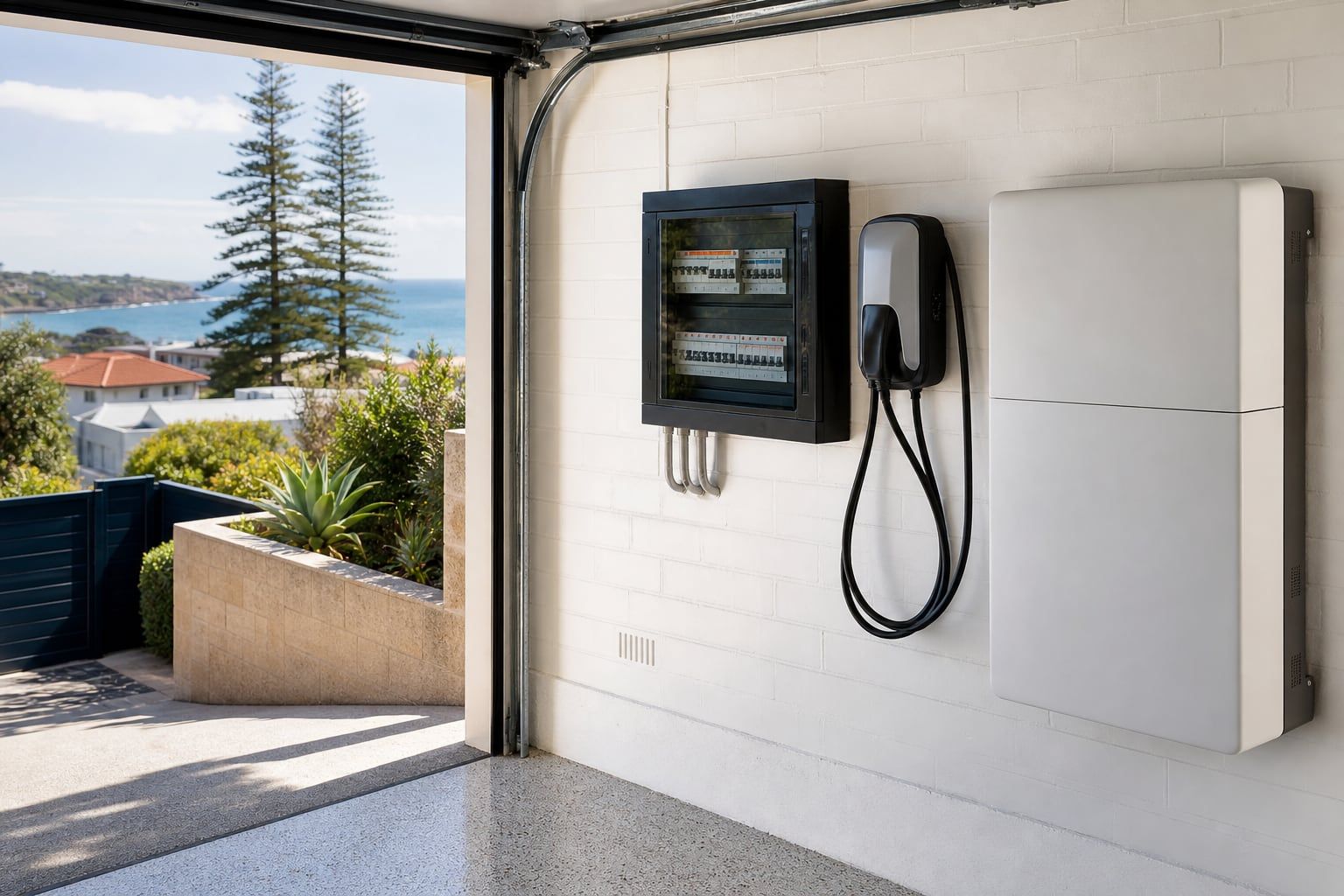
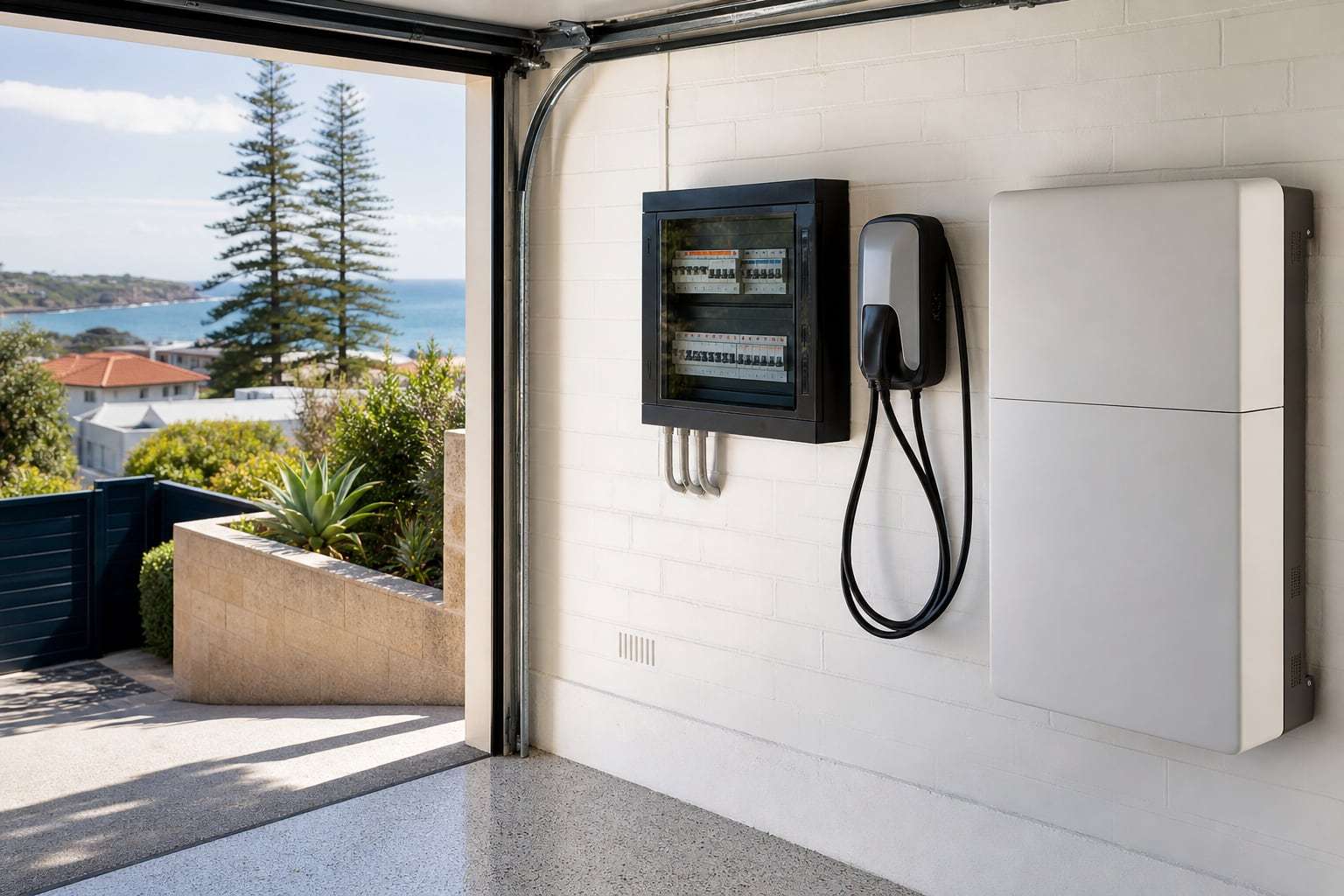
More and more Eastern Suburbs renovations end with the gas meter removed. Induction cooktops replace gas burners, heat pump hot water replaces the gas storage tank, reverse-cycle air conditioning replaces gas heating, and an EV charger appears in the garage. It’s a sensible change, but it puts every one of those loads onto your electricity supply. In homes where the service line, bracket and mains date back decades, the supply often isn’t ready. An all-electric home power upgrade makes sure it is.
This guide walks through how to work out what your home needs, the options, and how to fit the supply work into a renovation.
Why the supply matters
Your supply runs from the Ausgrid network, through a service line or underground cable, to an attachment point, down the consumer mains to your meter and main switch. Each part has a limit. Gas used to carry the heaviest loads in most homes: cooking, hot water and heating. When those move to electricity, the peak load can rise sharply, especially on a cold winter evening when the oven, the heating and the hot water all run at once and the car is plugged in.
If the supply can’t carry the peak, the service fuse fails, the main switch trips, or cable runs hot. Ausgrid also sets limits on how much a single phase connection can carry.
Step one: list the loads
Start with everything that will run on electricity after the renovation. A typical list for an Eastern Suburbs home might be:
- Induction cooktop and electric oven
- Heat pump hot water system
- Reverse-cycle air conditioning, split or ducted
- Pool heat pump or spa heater
- EV charger (or two)
- Clothes dryer and dishwasher
- Underfloor heating in bathrooms
- A home lift, in some multi-level homes
- Solar and a home battery
Your electrician uses this list to work out the maximum demand. We look at the network side: whether the existing service, attachment and mains can carry it, and whether Ausgrid will allow it on single phase.
Step two: single phase or three phase
Most all-electric homes can run on single phase, provided the mains and service are sized for it. If the load is high, especially with fast EV charging, a pool heat pump, large ducted air conditioning or a lift, a three phase power upgrade spreads the load across three phases and gives far more headroom.
Three phase isn’t automatically better. It costs more, needs an Ausgrid application and a new meter, and the switchboard has to be balanced across phases. We help you and your electrician decide which is right.
Questions to ask:
- Will you have more than one EV, or want fast charging?
- Is there a pool or spa with a heat pump?
- Is ducted air conditioning planned for a large home?
- Does any equipment, like a lift, need three phase?
- Do you plan a large solar system with a battery?
If several answers are yes, three phase is worth serious thought.
Step three: check the mains and service
Even on single phase, many older Eastern Suburbs homes have mains that are too small or in poor condition. A consumer mains upgrade replaces them with cable sized for the new load. At the same time we check the service line and attachment point, and in coastal streets, any corrosion.
Terraces
Paddington and Woollahra terraces are a special case. Meters are often inside, the route for new mains runs through the house, and facades are heritage-sensitive. The best time to upgrade is during the renovation, with floors and walls open. If you want the service line off the facade, an overhead to underground conversion can be done at the same time.
Federation homes and semis
Randwick, Clovelly, Waverley and Kensington homes usually have external meter boxes, which makes the work simpler. But mains and brackets are often original. Upgrade both together.
Art Deco flats and strata
In a strata building, each unit’s supply comes from the building’s main supply. One unit going all-electric is usually fine. Ten units doing it, plus EV chargers in the car park, may exceed what the building can carry. Strata committees should arrange a capacity check before approving widespread electrification. We provide reports for committees and work with the building’s electrician on the network side.
Solar and batteries
Solar reduces what you draw from the grid during the day, but it doesn’t help on winter evenings, which is usually when demand peaks. A battery can shave some of that peak. Neither removes the need for an adequately sized supply. Ausgrid also has rules on how much solar export a connection can have, which may influence the single versus three phase decision.
EV charging
An EV charger is often the single biggest new load. A 7 kW single phase charger running for several hours overlaps with dinner, heating and hot water. A faster 11 or 22 kW charger needs three phase. Smart chargers can limit charging when the house is busy, which can delay the need for an upgrade, but they need to be set up properly.
How the work fits a renovation
- Early design. List loads and get a view on single or three phase.
- Application. If three phase or a bigger connection is needed, we lodge the Ausgrid application early.
- Strip-out. Gas is capped and removed by a licensed gasfitter. We arrange a power disconnection and reconnection if builders need the supply isolated.
- Rough-in. New mains run while walls are open.
- Connection. We connect the new supply; your electrician fits the switchboard; the retailer fits the meter.
- Certification. Everything is tested and certified.
Doing it in this order avoids a second outage and keeps the trades moving.
Common mistakes
- Leaving the supply until last. Approvals and meter changes take time.
- Assuming solar solves it. It doesn’t cover the evening peak.
- Ignoring the bracket and mains. A new switchboard on old mains is a weak link.
- Forgetting the EV. Even if you don’t have one yet, plan for it.
- Strata surprises. Check building capacity before committing.
Costs
Costs vary widely with the house, the route and what Ausgrid requires. We don’t publish prices; after a site look we give a fixed written price for the network side.
Where we work
We plan all-electric upgrades across the east, from terraces in level 2 electrician Paddington to family homes in level 2 electrician Randwick. Near the beach, read coastal meter box corrosion too.
Talk to us early
The earlier we’re involved, the simpler it is. Call the level 2 electrician Eastern Suburbs team with your load list and plans, and we’ll tell you what the supply needs.
Updated
All-electric home power upgrade in the Eastern Suburbs: common questions
Something else on your mind? Call 02 9158 9936 and ask.
Will removing gas always mean upgrading the supply?
Not always. Many homes manage on an existing supply with good planning, but older or undersized mains often need replacing.
Should we wait until the renovation is finished to upgrade?
No. The supply is easiest to upgrade while walls are open, and approvals take time, so plan it early.
Can a unit in a strata building go all-electric?
Usually, but the building's main supply may limit how many units can do it. The strata committee should check capacity.